
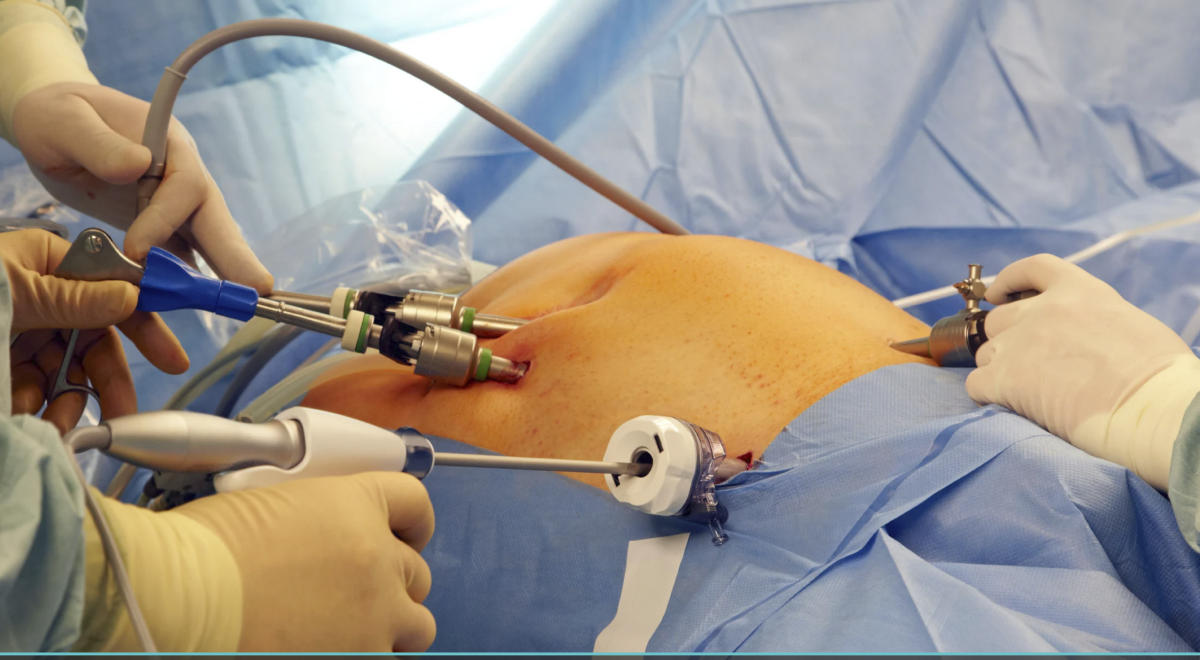
Laparoscopic Surgery
Gynecologic Laparoscopic Surgery at Dr. Seema Wadhwa’s Clinic, Mohali
Understanding Gynecologic Laparoscopy
Gynecologic laparoscopy, also known as keyhole surgery, is a minimally invasive procedure that allows surgeons to view and treat conditions of the female reproductive organs through small incisions. This technique offers several advantages over traditional open surgery, including reduced pain, shorter recovery times, and minimal scarring.
Comprehensive Workup Before Laparoscopic Surgery
Before undergoing laparoscopic surgery, a comprehensive pre-operative evaluation is essential to ensure patient safety and achieve the best surgical outcomes. This assessment typically includes:
- Complete Blood Count (CBC): To assess for anemia and overall health status. Medscape
- Ultrasound Imaging: To visualize the pelvic organs and identify any abnormalities such as fibroids, cysts, or endometrial thickening.
- Hormonal Assessments: To evaluate levels of estrogen, progesterone, and thyroid hormones, which can influence surgical planning.
- Endometrial Biopsy or Hysteroscopy: In cases of abnormal bleeding, these procedures help in diagnosing conditions like endometrial hyperplasia or cancer.
- Electrocardiogram (ECG) and Chest X-ray: For patients over 40 or with underlying health conditions, to assess cardiovascular health.
This thorough evaluation helps in tailoring the surgical approach to the individual needs of the patient.
Conditions Treated with Laparoscopic Surgery
Laparoscopic surgery is effective in diagnosing and treating a variety of gynecologic conditions, including:
- Endometriosis: A condition where tissue similar to the uterine lining grows outside the uterus, causing pain and infertility.
- Ovarian Cysts: Fluid-filled sacs that can cause pain and may affect fertility.
- Uterine Fibroids: Non-cancerous growths in the uterus can lead to heavy bleeding and pelvic discomfort; However, in rare cases, they may turn into a malignancy.
- Pelvic Adhesions: Scar tissue that can cause organs to stick together, leading to pain and infertility.
- Ectopic Pregnancy: A pregnancy that occurs outside the uterus, often in a fallopian tube, requiring surgical intervention.
By using a laparoscope, surgeons can perform procedures such as cyst removal, endometrial tissue excision, and adhesiolysis with precision and minimal invasiveness.
Postmenopausal Bleeding: Causes and Treatment Options
Postmenopausal bleeding (PMB) refers to any vaginal bleeding occurring more than 12 months after a woman's last menstrual period. While it can be caused by benign conditions, it may also indicate more serious issues such as endometrial cancer.
Common Causes of Postmenopausal Bleeding
- Vaginal Atrophy: Thinning and inflammation of the vaginal walls due to decreased estrogen levels.
- Endometrial Polyps: Benign growths in the lining of the uterus.
- Endometrial Hyperplasia: Thickening of the uterine lining, which can increase the risk of cancer.
- Hormone Replacement Therapy (HRT): Bleeding may occur if the endometrial lining is not adequately protected.
- Endometrial or Uterine Cancer: Less common but serious causes of PMB.
Diagnostic Approach
The evaluation of PMB typically involves:
- Transvaginal Ultrasound: To assess the thickness of the endometrial lining.
- Endometrial Biopsy: To obtain tissue samples for histopathological examination.
- Hysteroscopy: Allows direct visualization of the uterine cavity and targeted biopsy.
Treatment Options
Treatment depends on the underlying cause and may include:
- Hormonal Therapy: Such as progestins, to regulate the endometrial lining.
- Polypectomy: Removal of endometrial polyps via hysteroscopy.
- Endometrial Ablation: Destruction of the uterine lining to reduce bleeding.
- Hysterectomy: Surgical removal of the uterus, considered for persistent or malignant conditions.
Early diagnosis and appropriate treatment are crucial in managing PMB effectively.
Advantages of Laparoscopic Surgery
Laparoscopic procedures offer several benefits over traditional open surgery:
- Minimized Scarring: Small incisions reduce visible scarring.
- Reduced Pain: Less postoperative discomfort compared to open surgery.
- Shorter Recovery Time: Patients often resume normal activities more quickly.
- Lower Risk of Infection: Smaller incisions decrease the likelihood of infection.
These advantages make laparoscopic surgery a preferred option for many gynecologic conditions.
Why Choose Dr. Seema Wadhwa’s Clinic?
At Dr. Seema Wadhwa’s Clinic in Chandigarh and Mohali, we are committed to providing exceptional care through advanced laparoscopic techniques. Our experienced team offers:
- Expert Consultation: Comprehensive evaluations and personalized treatment plans.
- State-of-the-Art Facilities: Equipped with the latest technology for accurate diagnosis and treatment.
- Compassionate Care: A patient-centered approach ensuring comfort and support throughout your treatment journey.
We strive to empower women with the knowledge and care they need to make informed decisions about their health.

Years Of - Experience 20 +
Dr. Seema Wadhwa
Founder Director - Gynae Care & Cure Clinic- Max Super Speciality Hospital, Mohali
- Gynae Care & Cure Clinic, Chandigarh
Get in Touch with Us
We’re Here to Help You
Visiting Hours

WhatsApp & Email
Follow US
Book An Appointment
Schedule your consultation with Dr. Seema Wadhwa and take the first step toward better health.
We Are Featured In