
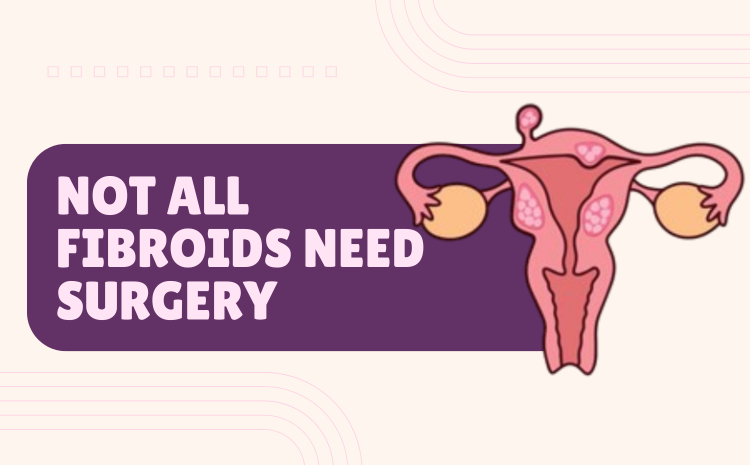
Not All Fibroids Need Surgery
How Common Are Fibroids?
Studies suggest that 20% to 50% of women of reproductive age have fibroids, but many remain undiagnosed because symptoms are either mild or absent.
In fact, around 30% to 70% of women develop fibroids at some point during their childbearing years. The good news is that over 99% of these fibroids are non-cancerous and do not increase the risk of uterine cancer.
Causes of Fibroids
Fibroids are hormone-dependent growths, often caused by high levels of oestrogen. They can exist silently or present with troublesome symptoms, depending on their size, number, and location within the uterus.
Common Symptoms of Fibroids
While many fibroids cause no symptoms, some women may experience:
-
Heavy menstrual bleeding leading to anaemia
-
Abnormal bleeding between menstrual cycles
-
Pelvic pain or lower back pain
-
Painful or intolerable menstrual cramps
-
Frequent urination or difficulty passing stools (due to pressure from large fibroids)
-
Infertility or recurrent miscarriages, depending on the fibroid’s size and position
-
Preterm deliveries in pregnancy
-
Increased chances of caesarean delivery (especially if fibroids are large or near the lower uterine segment)
Treatment: Not Every Case Needs Surgery
The choice of treatment depends on:
-
Presence of symptoms
-
Size and number of fibroids
-
Impact on fertility or quality of life
In many cases, medical treatment is the mainstay and surgery can be avoided.
Non-Surgical Treatment Options Include:
-
Medications to control bleeding and reduce symptoms
-
Hormonal therapy to shrink fibroids or balance hormone levels
-
Medicated intrauterine devices (IUDs) that help reduce heavy bleeding
-
Lifestyle modifications and regular monitoring
If these methods fail to bring relief or the fibroids are significantly affecting health, minimally invasive surgical procedures such as laparoscopy or keyhole surgery may be advised.
With advancements in modern-day gynaecology, the number of open surgeries has greatly reduced.
Conclusion
Fibroids are common and treatable, and the majority are non-cancerous. With timely medical guidance and appropriate management, women can maintain their reproductive and overall health without necessarily undergoing surgery.
Consultation with:
Dr. Seema Wadhwa, MD
Director – Gynaecology
Specialist in High-Risk Pregnancy, Infertility & Advanced Laparoscopy
Max Super Speciality Hospital, Mohali
Mobile: 98558 24455