
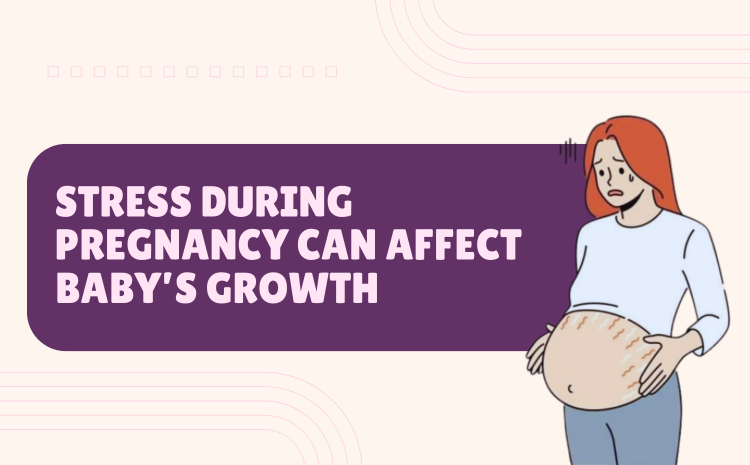
Stress During Pregnancy Can Affect Baby’s Growth
Why Stress Happens During the First Pregnancy
A woman’s first pregnancy brings immense joy but can also trigger anxiety and emotional turbulence. Dr. Wadhwa notes that hormonal changes during this phase often cause mood swings — sometimes leading to overreactions or irritability without apparent reason.
She emphasizes that family members, especially the husband, play a vital role in managing this emotional phase. Counselling the family to better understand the mother’s emotional and physical changes is crucial. With empathy and patience from loved ones, the expecting mother can feel secure and supported.
Tips to Reduce Stress During Pregnancy
Managing stress effectively helps ensure both maternal and fetal well-being. Dr. Seema Wadhwa suggests a few essential lifestyle practices for every expecting mother:
-
Exercise Regularly:
Light to moderate physical activity, as advised by your doctor, helps release endorphins — natural mood elevators that reduce anxiety and improve sleep.
-
Maintain a Healthy Diet:
Balanced nutrition supports hormonal stability and prevents fatigue. Focus on fresh fruits, vegetables, proteins, and hydration.
-
Prioritize Sleep:
Getting adequate and restful sleep is vital. Lack of sleep can worsen irritability, mood swings, and physical exhaustion.
-
Enjoy Social Connections:
Spend time with friends and loved ones. Sharing feelings and laughter relieves emotional burden and strengthens support systems.
-
Take Proper Medical Care:
Regular check-ups and timely consultations help identify and address potential issues early. Never hesitate to discuss stress or emotional challenges with your doctor.
The Negative Impact of Stress on the Baby
Stress doesn’t just affect the mother — it can have serious consequences on the baby’s health too. Dr. Seema Wadhwa explains that high stress levels during pregnancy may lead to:
-
Fetal growth retardation
-
Premature delivery
-
Reduced oxygen supply to the baby
-
Developmental challenges post-birth
She emphasizes that emotional well-being is as important as physical care during pregnancy. A calm, positive, and supported mother is more likely to give birth to a healthy baby.
Final Thoughts: Support Makes All the Difference
Dr. Seema Wadhwa concludes that pregnant women should receive consistent emotional reassurance from their families, friends, and even employers. Creating a nurturing environment helps the mother remain calm, optimistic, and physically well throughout pregnancy.
With compassion, communication, and proper care, the journey to motherhood can remain peaceful and healthy — ensuring the best start for both mother and baby.
Dr. Seema Wadhwa, MD
Director, Gynaecology
Specialist in Advanced Laparoscopy, Infertility & High-Risk Pregnancy Management
Max Super Speciality Hospital, Mohali
98558 24455